
Losing a loved one affects every aspect of life – emotionally, physically, socially, financially and spiritually. Many describe grief as lethargy, fatigue, disrupted sleep, and changes in physical well-being. When you’re grieving, it’s important to find ways to look after yourself.
We spoke to Jo Wilson, our Family and Bereavement Team Lead about how walking can help with the grieving process. A blog for bereaved parents on this topic will be available shortly on our Bereavement support webpage.
1. Walking is accessible
- Walking is an accessible activity that doesn’t require special equipment or costly memberships. It’s an option for many people.
- How we grieve is influenced by our culture, faith, spirituality, available resources, and how we make sense of living and dying. We are all unique. Being in nature allows us to connect with the uniqueness of our natural environments and the species living in them. Many people who are grieving find comfort in symbolic moments in nature, such as seeing rainbows, robins, or butterflies.
- There is no right or wrong way to grieve. It’s a journey that changes over time and doesn’t just suddenly stop. Walking allows space for thoughts and emotions to flow without the pressure of trying to ‘fix’ or ‘solve’ grief.
2. Walking for health
- Even 11 minutes of walking a day can lower the risk of heart disease and improve overall health (British Heart Foundation).
- Walking strengthens our bones, improves our mood, helps us sleep, keeps us mentally sharp and can strengthen our immune system.
- Exposure to natural daylight increases vitamin D levels, which helps regulate mood and energy.
- Studies show that walking in green spaces reduces stress and enhances self-esteem (Barton & Pretty, 2010).
3. Walking as Pilgrimage
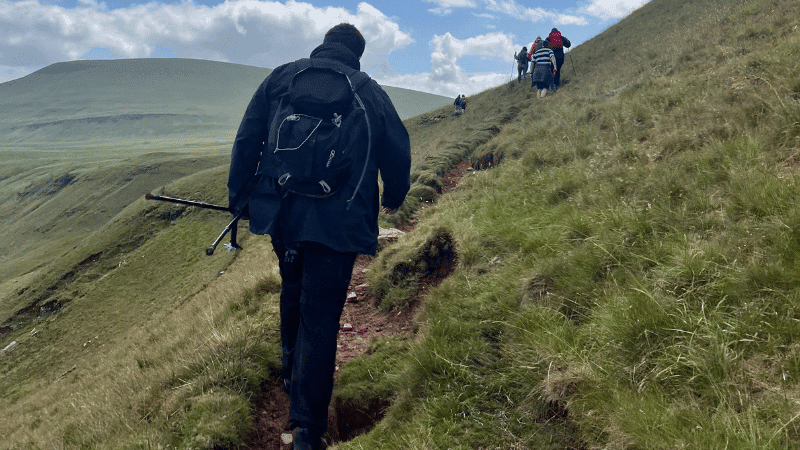
- Many cultures and traditions recognise walking as a symbolic journey of healing and remembrance.
- Whether a short, gentle walk or a long-distance challenge, walking can serve as a meaningful way to honour a loved one.
- Walking can be a deeply personal act, but it can also connect individuals with others who share similar experiences.
4. Walking to raise awareness and socially connect
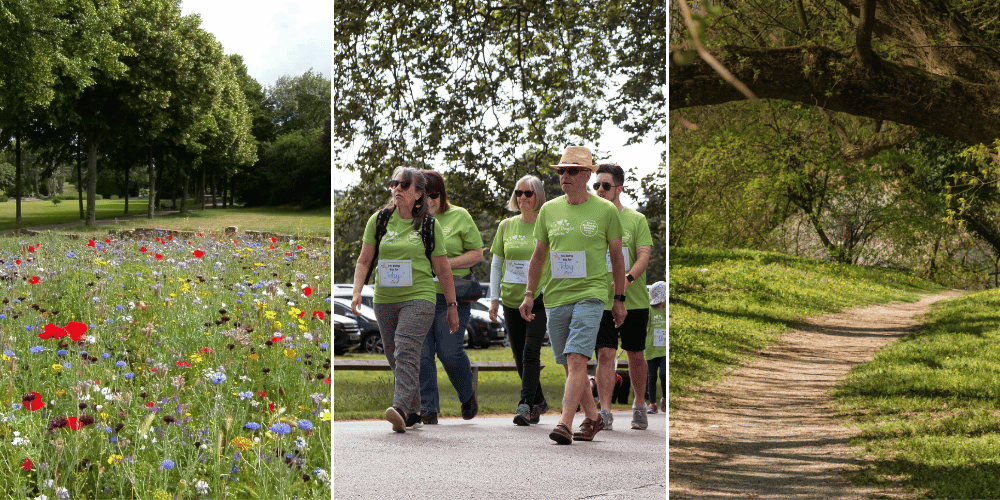
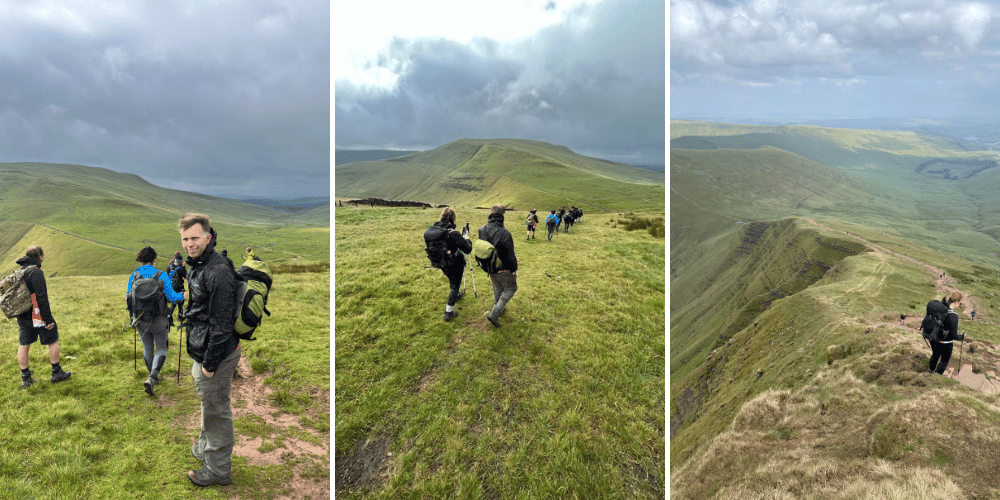
- Grief can feel incredibly isolating, but walking in a group, for example an in-memory walk creates a sense of community.
- Authors like Julia Bradbury – and Laurence Carter have written about how walking helped them process their personal grief and reconnect with the world.
- Research shows that supportive communities help bereaved parents feel seen, heard, and connected (Venema, 2022).
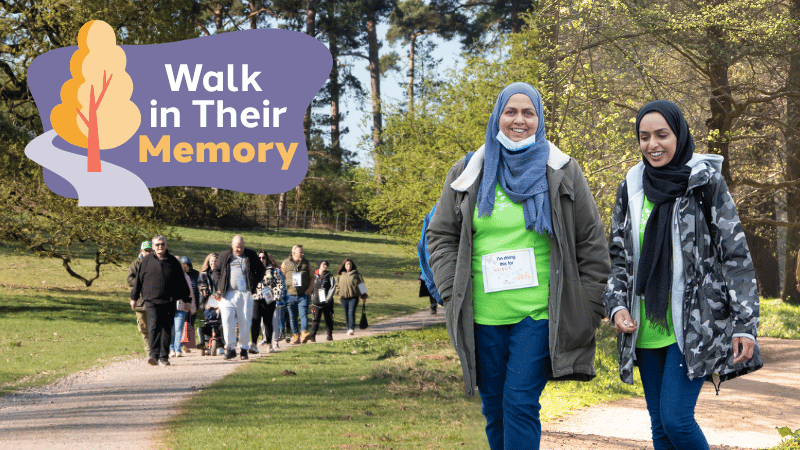
You’re invited to Walk in Their Memory.
Join us for a gentle in-memory walk through the beautifully tranquil surroundings of Cogges Manor Farm, Witney, on Saturday the 11th July, 2026.
This walk is for anyone wanting to remember a lost loved one of any age, and we particularly encourage families who have been supported by Helen & Douglas House to join with friends and extended family. The event is also open to anyone who wishes to join us in solidarity and come together with the community for a peaceful afternoon of remembrance.
The event is free to join, although donations are welcomed to help us cover the cost of the event and continue our work to support local children with life-limiting illnesses and their families.
Sources
Barton, Jo and Pretty, Jules (2010) What is the Best Dose of Nature and Green Exercise for Improving Mental Health? A Multi-Study Analysis. Environmental Science & Technology, 44 (10). pp. 3947-3955. DOI https://doi.org/10.1021/es903183r
Brown, Daniel K, Barton, Jo L and Gladwell, Valerie F (2013) Viewing Nature Scenes Positively Affects Recovery of Autonomic Function Following Acute-Mental Stress. Environmental Science & Technology, 47 (11). pp. 5562-5569. DOI https://doi.org/10.1021/es305019p
Venema, M., Klassen, D., Kwee, J., and Rossen, L. (2023). Grieving in community: accompanying bereaved parents. J Community Psychology. 51:2246-2260 https://doi.org/10.1002/jcop.23025